Traveling in Ranching Country
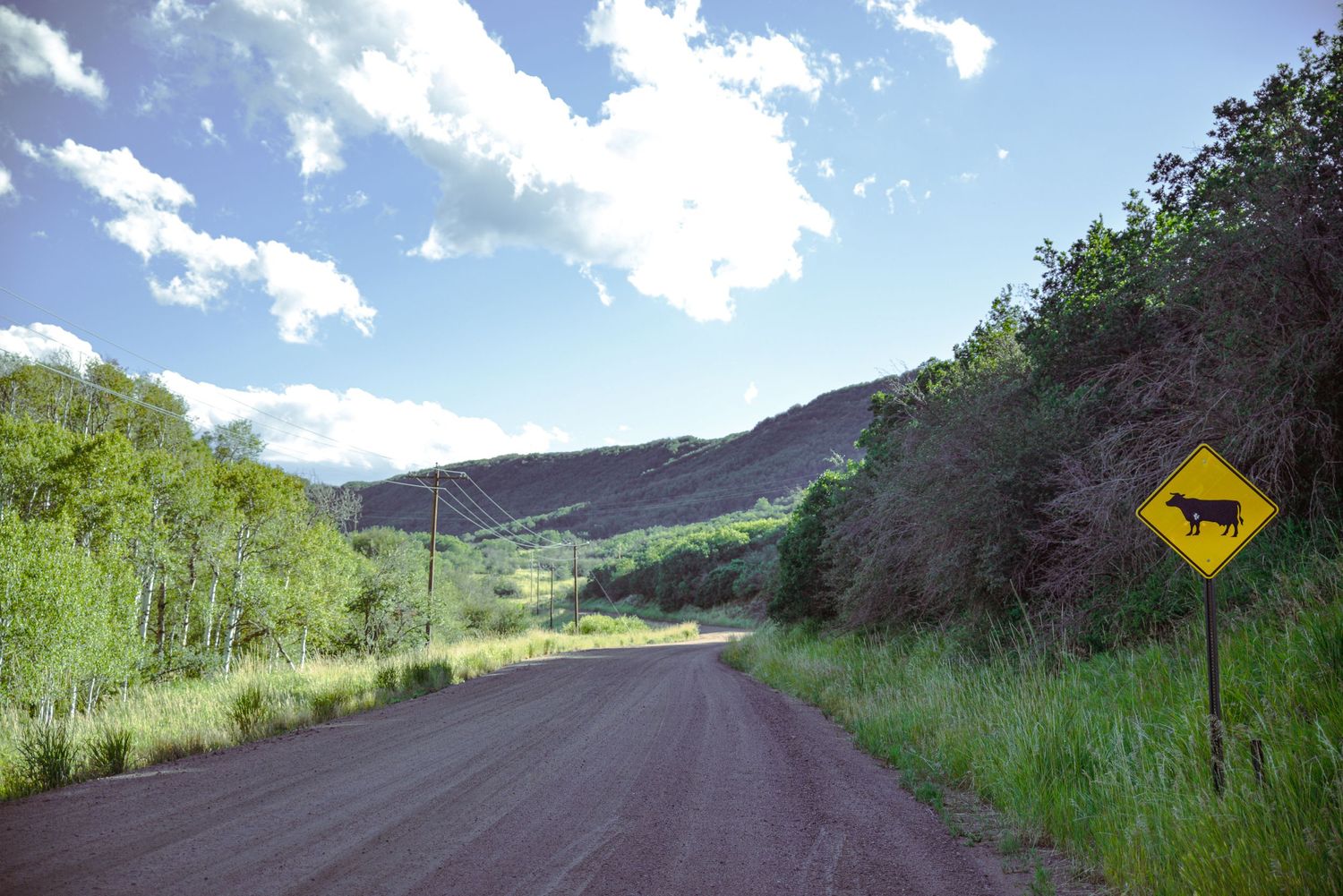
If you're traveling through Routt County, or any of Northwest Colorado, you'll often see signs for livestock in the roadway. Now, if you're a rancher from the East Coast, this seems like the biggest liability you could imagine. Regardless of whether you have an agriculture background, there are a few essential tips to remember while traveling, especially in the spring, summer and fall.
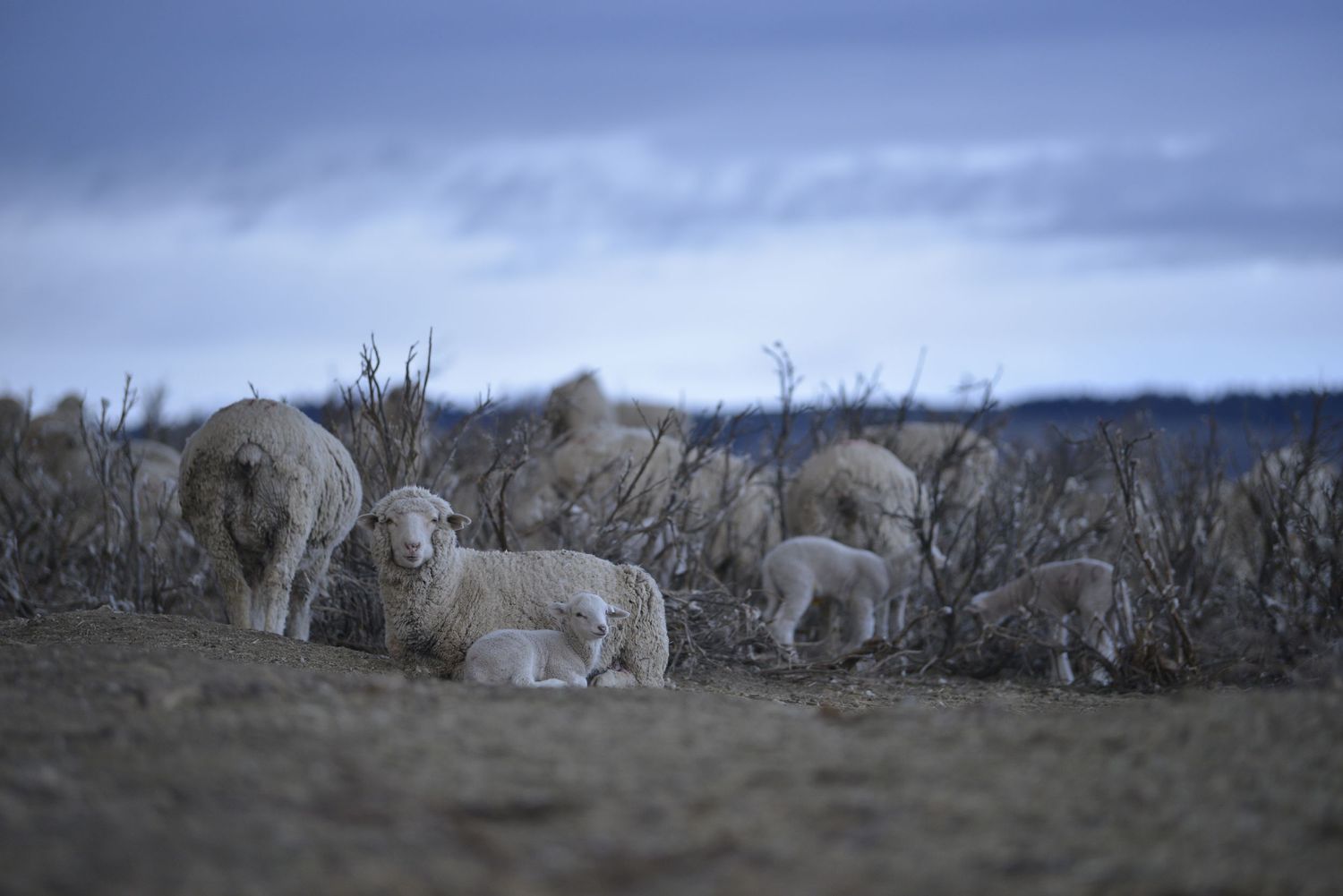
Routt County is home to countless livestock, including sheep, who often graze freely in open pastures. These animals are vital to the local agriculture economy and a way of life that goes back many generations. However, livestock safety is increasingly threatened by the growing number of vehicles on rural roads.
First and foremost -- these animals are someone's livelihood. You'll be hard-pressed to find a rancher who does it for the money; there's a love of the land, the stock, and often generations of family heritage behind the herds of sheep you might see in the roadway. The dedication and love these ranchers have for their animals and the land is deeper than many know. If you're unfamiliar with the sheep industry -- it's not for the faint of heart. It's a lot of heartbreak and challenging years, and wondering if you'll make it to the following year.
In the summer and early fall, you'll often see sheep on Rabbit Ears Pass and many county roads. These bands of range ewes have a sheep herder who travels with them on horse or foot. The herder's role is to guide the sheep to the best grazing areas, protect them from predators, and ensure their overall well-being. The herder is often accompanied by several working guardian dogs, whose primary role is to protect the flock from predators. Sometimes, you'll see the sheep, but not the herder or the dogs but not the sheep -- don't be fooled; they're typically all close by, even if you're unable to see them.
a few tips, tricks, and asks of visitors and locals alike...
- Slow down. If you didn't know, in Colorado, the driver can be held responsible if they hit livestock in the road. Keep yourself and the sheep safe. Come to a stop when livestock is on the road and stay in your vehicle. If there isn't a herder nearby moving the flock, proceed very slowly so as not to scare the animals. It can be as simple as rolling down the windows and driving very slowly with a quiet 'come on, sheep' to get them moving out of your way. Be sure not to bump livestock with your vehicle.
- Leave it be if you see a big, white, fluffy guard dog. Even if you don't see sheep nearby. These dogs aren't pets, they're hard at work keeping their flock safe from predators. Working dogs are what let ranchers and herders sleep at night in the same way that city dwellers lock their doors, double-check their security system, and go to bed to sleep peacefully. With the recent influx of wolves in the area, their jobs are more important than ever. DO NOT approach the dogs, and keep your distance from their flock. If you're hiking, these dogs will typically leave you alone. If they do approach you, just continue along calmly and quietly; if they continue to approach firmly, say 'No' or 'Go Home' to the dogs. These dogs aren't inherently dangerous, but they are fierce protectors. Their role in protecting the flock is crucial and deserves our utmost respect and appreciation. Know that if you see a livestock guardian dog alone, it has not been forgotten. These are not disposable mutts in the woods; these dogs are the most essential employees for ranchers, protecting their livelihood, and they're often like part of the family. If you know anyone who has ever had a Great Pyrenees, Komondor, or Maremma as a pet -- they've undoubtedly had a hard time keeping their doggo at home -- they're known to have a vast traveling radius, but they know their way home. Learn more about encountering livestock guardian dogs here.
- Think the big white dogs you saw look skinny? Keep in mind that more than half of the household dogs in the US are overweight. Thin doesn't necessarily mean that a dog isn't being cared for.
- Remember these sheep are where those Smart Wool socks you're hiking in come from!
To ensure the well-being of our local agriculture industry and the safety of everyone, please exercise caution and respect when traveling through ranching areas. Don't worry about being a few minutes late. Sheep traffic is a perfectly valid excuse around here!
Checkout this past feature from the Steamboat Pilot about the sheep that graze on Rabbit Ears Pass.